6 Common ways to construct a crochet sweater
Discover the art of crochet sweater construction with six common methods, including top-down, bottom-up, and modular techniques. Unleash your creativity today!
 crochetpatter.comUpdated 24 May 20244 Mins read
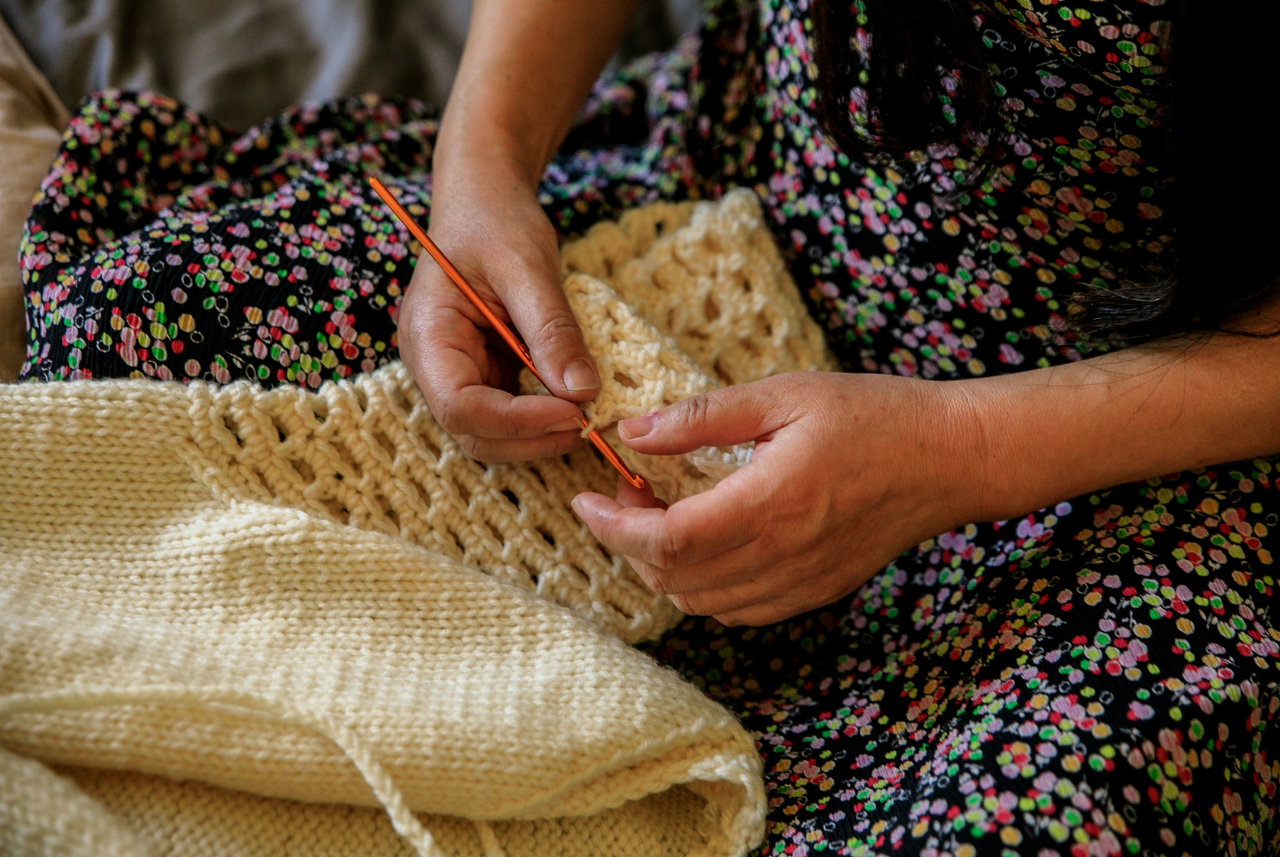
Crochet sweater construction offers a world of creativity and style. With various techniques available, each method brings its own charm.
Whether you’re a beginner or an experienced crocheter, understanding these methods can enhance your skills. From seamless designs to structured patterns, the possibilities are endless.
Choosing the right technique can transform your project, making it unique and personal. Each method has its own benefits, catering to different preferences and styles.
Exploring these techniques can open new doors in your crochet journey. Let’s dive into the six common ways to construct a crochet sweater.

Understanding Crochet Sweater Construction
Crochet sweater construction is rich with techniques that cater to various tastes and expertise levels. Knowing the construction types is essential for creating well-fitting garments.
Each method offers distinct advantages, such as ease of construction and unique design features. Your choice can impact both the final look and the crafting experience. Understanding these differences is vital in planning your project.
Some common methods are:
- Top-down
- Bottom-up
- Side-to-side
- Modular
- Raglan
- Circular Yoke
With these options, you can tailor your approach to any project. This understanding can enhance your creativity and boost your confidence.

1. Top-Down Construction
The top-down method is a favorite among crocheters. It provides a seamless look and makes trying on easy. This approach allows for adjustments during the crafting process.
Top-down construction usually starts at the neck and works downward. This technique is ideal for creating well-fitting garments as you can modify lengths as needed. Adjusting the sleeves and body length is straightforward with this method.
Key features of top-down construction include:
- Seamless finish
- Customizable fit
- Ease of adjustments
This method suits both beginners and experienced crocheters due to its simplicity and flexibility. The ability to customize makes top-down construction a versatile choice for various crochet sweater patterns.

2. Bottom-Up Construction
Bottom-up construction is another popular method among crochet enthusiasts. It starts at the hem and works upward towards the neckline. This technique is known for its traditional, structured appearance.
Working from the bottom up allows for intricate patterns and designs along the body and sleeves. Many crocheters appreciate the predictable nature of this method. It usually involves fewer calculations for shaping compared to other methods.
Some notable advantages of bottom-up construction include:
- Structured design
- Suitable for textured patterns
- Consistent shaping
This approach is perfect for those who enjoy planning details in advance and working within a framework. The result is a well-structured sweater, ideal for both everyday wear and special occasions.

3. Side-to-Side Construction
Side-to-side construction offers a unique approach by working horizontally. This method runs from one side of the sweater to the other. It’s an excellent choice for creating interesting striping and texture effects.
Unlike traditional methods, side-to-side construction can provide a fresh look. It’s ideal for experimenting with color gradients or patterns. This technique allows greater creativity in designing unique garments.
Key features of side-to-side construction include:
- Horizontal design
- Great for colorwork
- Unique textures
Using this method, crocheters can craft sweaters that stand out. The sideways approach adds a distinctive twist to standard sweater designs. It’s perfect for those wanting to explore new horizons in crochet.
4. Modular Construction
Modular construction involves creating separate pieces that are later joined together. This technique provides flexibility in design and allows for intricate details. Each module or motif can be different, adding variety to the final garment.
One of the main benefits of modular construction is its versatility. It suits those who enjoy working on smaller projects. Plus, it’s a fantastic way to use up yarn scraps by integrating them into different modules.
Highlights of modular construction:
- Individual pieces assembled together
- Ideal for detailed patterns
- Utilizes leftover yarn effectively
With modular construction, the possibilities are endless. Each piece can contribute to a unique pattern. This makes it a rewarding method for crocheters who love experimenting with design.

5. Raglan Construction
Raglan construction is known for its comfortable fit and simple design. It involves creating a sweater with diagonal seams extending from the underarm to the neckline. This method allows for easy movement, making it popular for everyday wear.
Crocheting a raglan sweater typically starts at the neckline. The design often grows outward in one piece, eliminating the need for sewing pieces together. This seamless construction is both practical and visually pleasing.
Advantages of raglan construction:
- Provides excellent mobility
- Seamless and tidy finish
- Begins at the neckline
Raglan sweaters can be customized with various stitch patterns. This adds personal touches to the garment. Many crocheters appreciate the casual and relaxed style that raglan offers.

6. Circular Yoke Construction
Circular yoke construction is admired for its elegant and seamless design. It involves crocheting in the round from the neck down. This method results in minimal finishing, providing a smooth and uniform look.
The circular yoke begins at the neckline, increasing evenly across rounds. This technique is ideal for creating beautiful, intricate designs around the shoulders. It is often chosen for its decorative potential in sweater design.
Unique features of circular yoke construction:
- Seamless and smooth transitions
- Ideal for intricate yoke designs
- Minimal finishing required
Circular yokes offer the chance to showcase advanced stitch techniques and patterns. They create a balanced design that flatters all body types. This method is perfect for those seeking a sophisticated and polished sweater.
Knitting vs Crochet: Key Differences in Sweater Construction
Understanding the differences between knitting and crochet is vital. Each technique impacts sweater construction in unique ways. Crochet often builds up faster and can create denser fabrics.
Key differences include:
- Crochet uses a single hook; knitting uses two needles.
- Crochet creates more textured patterns.
- Knitting allows for more stretch and drape.
Recognizing these differences helps in choosing the right technique. Deciding between a crochet cardigan sweater pattern or a crochet pullover sweater pattern involves considering these factors. Both crafts offer unique benefits for sweater construction.
Choosing the Right Crochet Sweater Pattern
Selecting the perfect crochet sweater pattern is essential. It determines the final look and fit of your project. Consider the style and season for which you’re crocheting.
Factors to consider when choosing a pattern:
- Type of sweater: cardigan or pullover
- Level of detail in instructions
- Complexity of stitches required
Choose a pattern that matches your skill level and desired outcome. Detailed patterns with clear instructions help ensure success.
Tips for Success: Gauge, Yarn, and Finishing
Gauge, yarn, and finishing are keys to successful crochet sweaters. The correct gauge ensures the desired fit. Check it by making a sample square before starting.
Important considerations for crochet success:
- Select the right yarn weight and texture
- Use blocking for shape and size adjustments
- Always follow finishing steps for a polished look
These aspects help achieve a professional result. Don’t skip these steps to ensure your sweater looks and feels great.
Conclusion: Explore and Experiment
Crochet sweater construction offers endless creative possibilities. Experiment with different techniques and designs. Each method provides a new way to express your style. Enjoy the process and let your creativity shine through your crochet projects.




Understanding Crochet Scarf Measurements for Beginners
Learn how to master crochet scarf measurements with our beginner-friendly guide. Discover...
 yassine team6 Mins read

How to Create a prayer shawl crochet pattern
Create heartfelt and meaningful gifts with our free crochet prayer shawl patterns....
yassine team8 Mins read

Best Stunning Crochet Shawl Patterns to Try in 2026
Explore stunning crochet shawl patterns for 2026! Perfect for all skill levels,...
yassine team6 Mins read
10 Cozy Crochet Mitten Patterns to Try
Discover 10 cozy crochet mitten patterns, perfect for beginners to advanced crafters....
yassine team6 Mins read





Leave a comment