what’s is St in Crochet: Tips & Techniques
what's is St in Crochet with tips to perfect your crochet stitches. Learn st crochet meaning, sl st, and create beautiful crochet projects with ease.
 yassine teamUpdated 8 months Ago7 Mins read
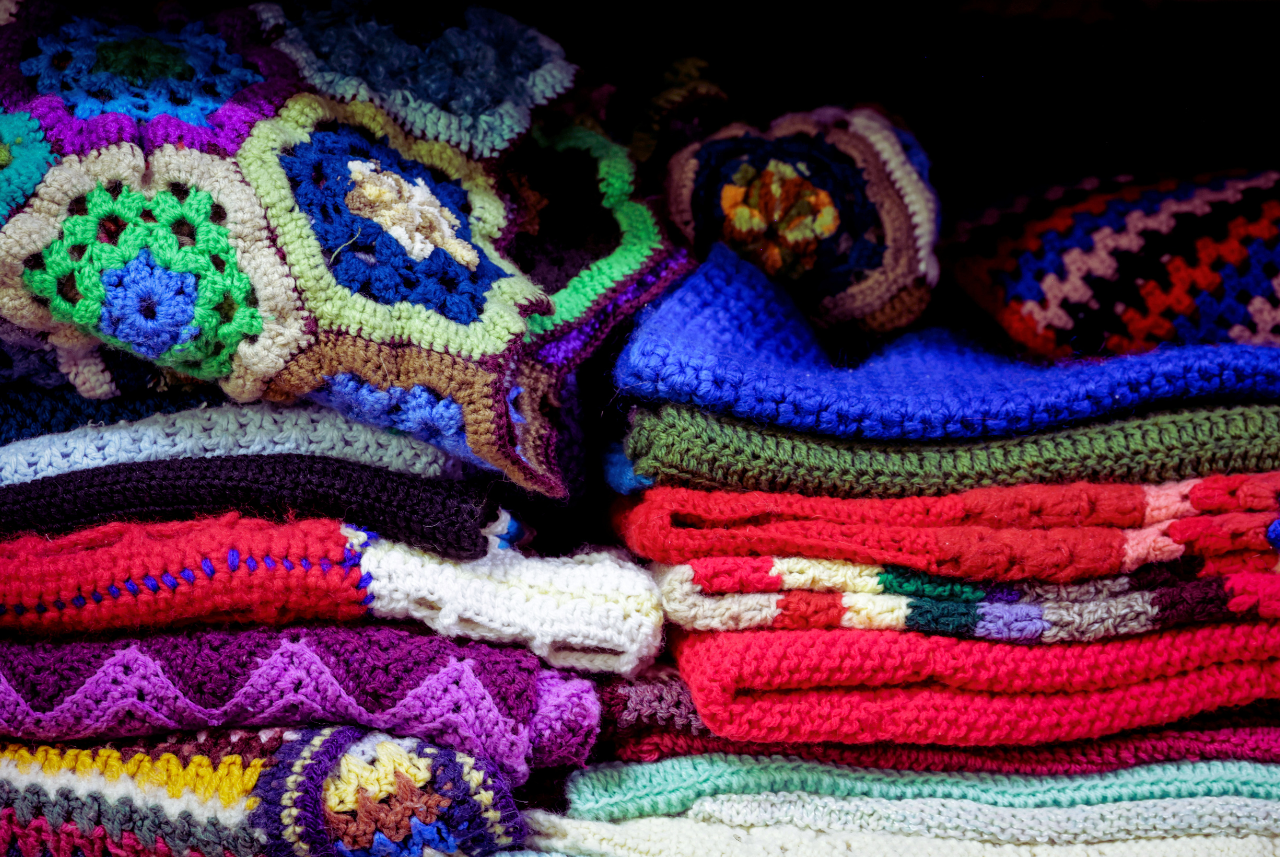
Hey there, crochet enthusiast! Whether you’re just starting your crochet journey or you’re a seasoned pro looking to brush up on your skills, getting those stitches just right is key to crafting beautiful projects. Crochet is not only a delightful hobby but also a wonderful way to express creativity and produce handmade items that can be cherished for years. Let’s dive into some tips and tricks to perfect your crochet stitches and answer some burning questions about the crochet world. Remember, patience and practice are your best friends on this journey.

If you’ve ever stared blankly at a crochet pattern, you’re not alone. All those abbreviations can be confusing! Understanding crochet notation is like learning a new language. Once you get the hang of it, reading patterns becomes much simpler, opening up a world of creative possibilities. Here’s a quick guide to help you decode them:
- st: Short for “stitch.” You’ll see this term a lot, as it’s the foundation of crochet. This abbreviation is universal, so once you learn it, you’ll find it in almost every pattern you encounter.
- sts: This means “stitches.” Simple, right? It usually follows a number to indicate how many stitches you need to make or have made.
- sl st: This is a “slip stitch,” which is used to join pieces without adding height. It’s often used to create a seamless join in round projects.
- ss: Another way to refer to “slip stitch.” Although less common, it’s good to know both terms as they are sometimes used interchangeably.
- ch: This stands for “chain,” which is the starting point for most crochet projects. Chains are used to create the foundation row or to transition between stitches in more complex patterns.
What Does ‘sl st’ Mean in Crochet?
The “sl st” or slip stitch is a versatile little stitch. It’s not used for building fabric like other stitches but is great for joining rounds or moving your yarn without adding extra height. Think of it as the glue that holds your project together. Slip stitches are also useful for creating neat edges and can be used in decorative ways, such as making surface crochet designs.
The slip stitch is incredibly handy for creating tight joins in amigurumi or for moving your yarn to a new location without affecting the current row’s height. By mastering the slip stitch, you’ll find it easier to create seamless transitions in your work, which can be particularly beneficial when working on projects like hats or socks that require a snug fit.
Essential Crochet Techniques for Beginners

Starting out in crochet can be daunting, but mastering a few basic techniques will set you up for success. These foundational skills are the building blocks for more complex projects, so it’s important to take your time and practice each one until you’re comfortable. Remember, every expert was once a beginner!
Mastering the Chain Stitch
The chain stitch is your crochet starting point. It’s like the base camp for your mountain of yarn. Practice makes perfect here, so don’t rush it. Keep your tension even, and soon you’ll be chaining like a pro. It’s helpful to count your chains as you go, which can prevent mistakes and save time in the long run.
When practicing the chain stitch, focus on maintaining consistent tension, as this will affect the overall look of your project. If you find your chains are too tight, try using a larger hook or loosening your grip on the yarn. Conversely, if they’re too loose, a smaller hook might help. With time, you’ll develop a natural feel for the correct tension.
The Single Crochet Stitch (sc)
Once you’ve got the chain down, it’s time to move on to the single crochet stitch. This one’s a favorite for its simplicity and versatility. It’s perfect for creating dense fabrics like amigurumi or cozy scarves. The single crochet stitch is also excellent for beginners because it provides a clear view of your work, making it easier to spot and fix mistakes.
Practice the single crochet stitch by creating small swatches. This will help you understand how the stitch affects the fabric’s texture and how different yarn weights and hook sizes can alter your results. As you become more confident, try combining single crochet with other stitches to add texture and interest to your projects.
Double Crochet and Beyond
After single crochet, you might want to try your hand at double crochet (dc). This stitch is taller and creates a looser fabric, making it ideal for blankets or shawls. Once you’re comfortable with double crochet, you can explore even taller stitches like treble crochet (tr) and beyond. These stitches allow you to play with height and texture, adding variety to your work.
Double crochet is a versatile stitch that can be used to create open, airy designs or solid, warm fabrics, depending on your tension and yarn choice. As you experiment with taller stitches, you’ll discover new techniques and patterns that expand your repertoire. Don’t be afraid to mix and match different stitches to create unique designs.
Common Crochet Problems and How to Fix Them
Crochet isn’t always smooth sailing, but don’t worry most issues have simple solutions. Troubleshooting is an essential part of the learning process, and with a little patience, you’ll become adept at identifying and resolving common problems.
Tension Troubles
Struggling with tension? You’re not alone. Finding the right tension can take time. If your stitches are too tight, try using a larger hook or loosening your grip on the yarn. If they’re too loose, go the opposite way. Experimenting with different yarns and hooks can also help you find what works best for you.
Tension problems often arise from gripping the hook or yarn too tightly. Practice relaxing your hands and maintaining a consistent rhythm as you crochet. Over time, you’ll develop a natural tension that produces even, well-formed stitches. Remember, practice and patience are key to mastering tension control.
Uneven Edges
Uneven edges can be frustrating, but they’re usually a sign that you’ve accidentally added or skipped stitches. Counting your stitches every few rows can help you catch mistakes early. Using stitch markers to denote the beginning and end of rows can also prevent errors and keep your edges straight.
If you notice uneven edges, take a moment to review your work and identify where the mistake occurred. Frogging (unraveling) a few rows might be necessary to correct the issue, but don’t be discouraged—each correction is a learning opportunity. With practice, you’ll become adept at maintaining neat, even edges.
Yarn Splitting
Yarn splitting happens when your hook catches the yarn fibers instead of the full strand. To avoid this, make sure your hook is the right size for your yarn and try to keep your movements smooth. Using a hook with a rounded tip can also help prevent splitting, as it glides more easily through the yarn.
When yarn splitting becomes an issue, consider the type of yarn you’re using. Some yarns, especially those made with multiple plies, are more prone to splitting. Experiment with different brands and fiber types to find one that works well with your crochet style. Practice and experience will help you develop techniques to minimize splitting.
Crochet Tips and Tricks for Smooth Stitching

Here are some handy tips to make your crochet experience more enjoyable: Small adjustments to your technique and routine can make a big difference in the quality of your work and your overall enjoyment.
- Use Stitch Markers: These little tools are lifesavers for keeping track of rows and stitch counts, especially in complex patterns. They can also be used to mark important sections of your project, making it easier to follow intricate designs.
- Keep Your Hands Relaxed: Tension affects stitch quality, so try to keep a relaxed grip on your hook and yarn. Taking deep breaths and shaking out your hands occasionally can help prevent tension buildup.
- Take Breaks: Crochet can be hard on your hands and wrists. Make sure to take regular breaks to stretch and avoid strain. Incorporating hand exercises and stretches into your routine can help maintain flexibility and prevent discomfort.
Additionally, investing in ergonomic crochet hooks can provide comfort during long crocheting sessions. These hooks are designed to reduce strain on your hands, allowing you to work for longer periods without discomfort. Experiment with different hook styles to find one that suits your grip and crochet technique.
Exploring Crochet Patterns and Projects
Once you’ve got the basics down, the world of crochet projects is your oyster. From cozy blankets to intricate lace doilies, there’s something for everyone. Crochet offers endless possibilities, and as you gain confidence, you’ll be able to tackle more complex projects with ease.
Finding the Right Pattern
When searching for a pattern, consider your skill level and the type of project you’re interested in. There are tons of free patterns online, as well as paid ones by professional designers. Reading reviews and looking at completed projects can provide valuable insights into a pattern’s difficulty and suitability for your skill level.
Joining crochet communities, both online and in-person, can also be a great way to discover new patterns and gain inspiration. Engaging with fellow crocheters allows you to share tips, ask for advice, and celebrate your achievements together. The crochet community is welcoming and supportive, making it a wonderful resource for beginners and experienced crafters alike.
Customizing Your Projects
One of the best things about crochet is the ability to customize. Change up the colors, adjust the size, or add embellishments to make your project truly unique. Experimenting with different yarns, textures, and stitch patterns allows you to put your personal touch on every creation.
Customization doesn’t have to stop at color and size; you can also incorporate different techniques to enhance your projects. Consider adding borders, appliques, or surface crochet for added flair. The possibilities are endless, and each project offers an opportunity to learn and grow as a crocheter.
Wrapping It Up: Crochet Like a Pro
Crochet is a fantastic hobby that combines creativity with practical skills. With a little practice and the right techniques, you’ll be crafting like a pro in no time. Remember, every stitch brings you closer to your masterpiece! Embrace the learning process and enjoy the journey as you develop your skills and discover your unique crochet style.
So grab your hook, pick your yarn, and start stitching your way to crochet perfection. Happy crocheting! As you continue to crochet, you’ll find that the art is not just about creating beautiful items but also about the joy and satisfaction of crafting something with your own hands. Enjoy each moment, and let your creativity shine through every stitch.




Leave a comment