Exploring types of crochet patterns stitches Techniques
Discover the art of different kinds of crochet stitches with our detailed guide. Learn names, types, and explore unique crochet patterns to enhance your projects!
 yassine teamUpdated 3 months Ago10 Mins read
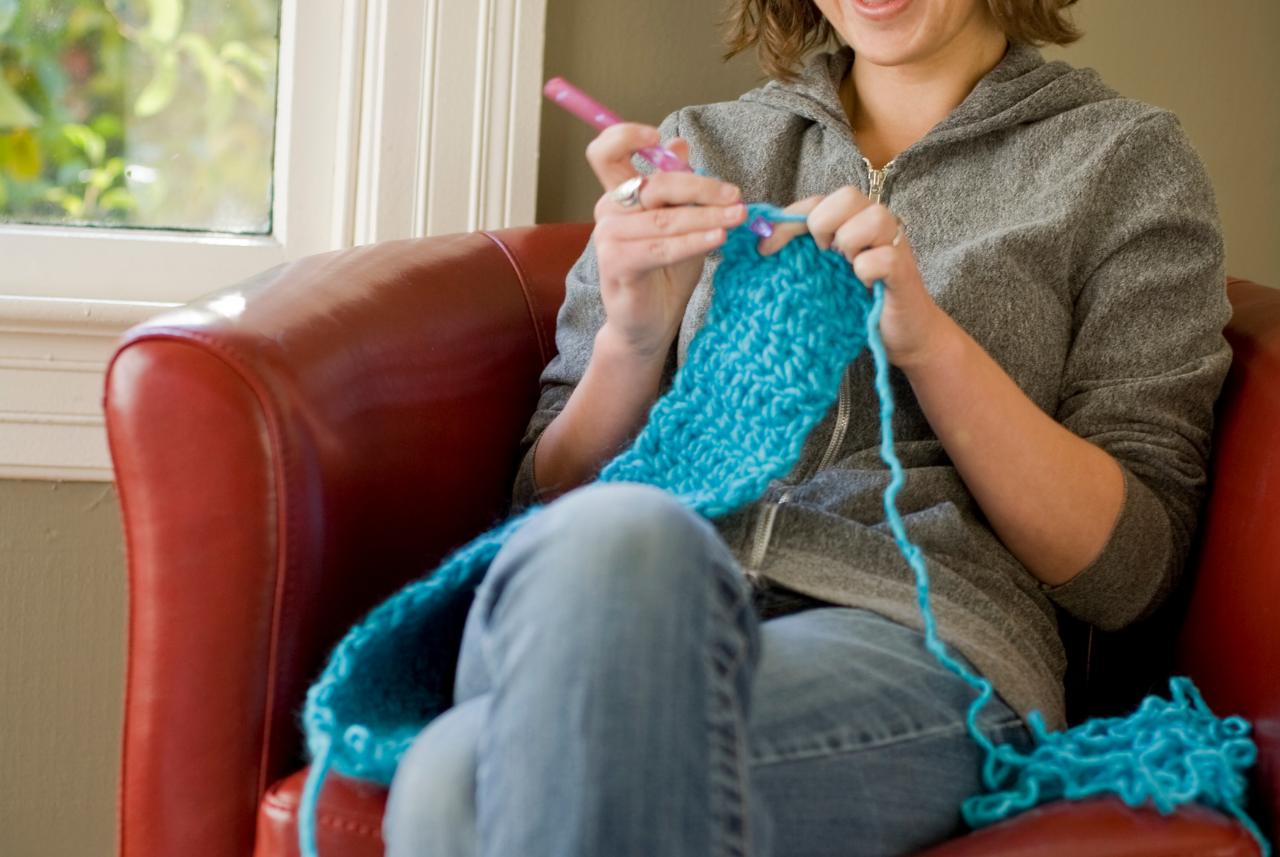
Hello there, fellow crochet enthusiast! Whether you’re just dipping your toes into the yarn world or you’re an experienced hooker looking to spice up your projects, you’ve come to the right place. Today, we’re diving into the colorful universe of crochet stitches. So grab your hook and let’s get stitching! The beauty of crochet lies in its endless possibilities, allowing you to transform a simple ball of yarn into a masterpiece.
 What Are Crochet Stitches?
 What Are Crochet Stitches?
Before we get into the nitty-gritty, let’s start with the basics. Crochet stitches are the building blocks of your crochet projects. They’re the loops and twists that come together to create everything from cozy blankets to intricate lace shawls. Each stitch has its own characteristics, affecting the texture, drape, and elasticity of your final piece.
The Anatomy of a Crochet Stitch
Understanding the anatomy of a crochet stitch is crucial. Each stitch consists of loops and wraps that form the foundation of your project. The yarn wraps around the hook, creating loops that are drawn through existing loops on your hook. This simple process is repeated to form the various stitches that make up your project.
Importance of Tension and Gauge
Tension and gauge play a significant role in crochet. Tension refers to how tightly or loosely you hold your yarn, which affects the size and shape of your stitches. Gauge is a measurement of the number of stitches and rows within a specific area. Maintaining consistent tension ensures uniformity in your work, especially when following patterns.
The Role of Yarn and Hook Size
The type of yarn and hook size you choose can drastically alter the appearance and feel of your crochet project. Thicker yarns with larger hooks create bulkier, more textured pieces, while finer yarns and smaller hooks produce delicate, intricate designs. Understanding how these elements interact will help you achieve your desired results.
How Many Crochet Stitches Are There?
If you’re wondering just how many crochet stitches exist, the answer isn’t straightforward. There are dozens of basic stitches, but when you factor in variations, combinations, and creative twists, the possibilities are practically endless. The evolution of crochet is ongoing, with new stitches being invented and old ones being rediscovered.
Basic Stitches to Get You Started
Starting with the basics is key. Familiarize yourself with foundational stitches like the chain, single crochet, and double crochet. These form the backbone of most patterns and will serve as your go-to stitches as you explore more complex techniques.
Exploring Stitch Variations
Once you’re comfortable with basic stitches, dive into variations. A simple twist on a basic stitch can result in a completely different texture and appearance. Experiment with these variations to add unique elements to your projects.
Creative Combinations
Don’t be afraid to combine stitches in innovative ways. Mixing and matching different stitches can lead to exciting designs and textures. The more you experiment, the more you’ll discover your own style and preferences.
Common Crochet Stitches
Let’s start with some of the most common crochet stitches. These are the bread and butter of the crochet world, and mastering them will set you up for success with more complex patterns. Each stitch serves a purpose, whether it’s adding texture, creating density, or forming the foundation of a new project.
Chain Stitch (ch)
The chain stitch is the foundation of most crochet projects. It’s as simple as it gets — just a series of loops that form a chain. You’ll often use this stitch to begin projects or to create spaces within your design.
Starting Your Project
Every crochet project begins with a chain. This initial chain determines the width or length of your project. Practice making chains with even tension to ensure a neat and professional look.
Creating Spaces and Gaps
Chains aren’t just for starting projects; they’re also used to create spaces within designs. This technique is common in lace patterns, where open spaces are desired to achieve a delicate appearance.
Transitioning Between Stitches
Chains are essential for transitioning between rows or rounds. They provide the necessary height to move from one row to the next, maintaining the integrity of your design.
Single Crochet (sc)
The single crochet stitch is the most basic stitch you’ll use in your projects. It’s tight, sturdy, and perfect for creating dense fabrics. This stitch is a favorite for beginners due to its simplicity and versatility.
Building Dense Fabrics
Single crochet is ideal for creating warm, dense fabrics like blankets and dishcloths. Its tight weave ensures durability and warmth, making it a staple in many projects.
Adding Structure
This stitch provides structure and stability, making it perfect for projects that need to hold their shape, such as baskets and bags. Its compact nature ensures a firm and solid finish.
Mastering the Basics
Mastering the single crochet stitch is an essential step in your crochet journey. Once you’re confident with this stitch, you’ll find it easier to pick up more advanced techniques.
Double Crochet (dc)
The double crochet stitch is taller than the single crochet, making it perfect for projects that require a bit more height and drape. It’s a staple in many patterns and offers a quicker way to build up fabric.
Creating Drape and Flow
Double crochet is perfect for garments that require drape and flow, such as shawls and scarves. Its taller structure gives a looser, more flexible finish.
Speeding Up Your Projects
Due to its height, the double crochet stitch allows you to build fabric quickly. This is especially useful for larger projects like blankets, where covering large areas efficiently is key.
Versatility in Patterns
The double crochet stitch is often used in combination with other stitches to create intricate patterns and textures. Its adaptability makes it a favorite for both beginners and advanced crocheters.
Half Double Crochet (hdc)
The half double crochet is a cross between the single and double crochet. It’s got a bit more height than a single crochet but is shorter than a double crochet. It’s great for adding texture and is a versatile stitch that can be used in various projects.
Achieving Texture
The half double crochet stitch is excellent for adding texture to your work. Its unique structure creates a subtle ribbed effect, perfect for blankets and sweaters.
Balancing Density and Drape
This stitch provides a balance between the density of single crochet and the drape of double crochet. It’s ideal for projects that require both structure and flow, such as hats and mittens.
Experimenting with Patterns
Half double crochet is often used in textured patterns and can be combined with other stitches for unique designs. Experiment with this stitch to discover its full potential.
Different Types of Crochet Stitches
 Different Types of
 Now that we’ve covered the basics, let’s explore some different types of crochet stitches. These stitches can add texture, design, and personality to your projects. Each stitch offers a new way to express creativity and bring your vision to life.
Puff Stitch
If you love texture, the puff stitch is your new best friend. It creates a raised, puffy effect that’s perfect for blankets and scarves. Plus, it’s super fun to work with! This stitch adds depth and dimension, making any project stand out.
Adding Dimension
The puff stitch is all about creating dimension. Its raised texture is eye-catching and adds a plush feel to your projects, making it perfect for cozy winter items like hats and scarves.
Working with Yarn Overs
Mastering the puff stitch involves working with multiple yarn overs and loops. This technique can be a bit tricky at first, but with practice, you’ll create consistent and even puffs.
Perfect for Accents
Use the puff stitch as an accent within a larger project. Its unique texture can highlight certain areas, drawing attention to specific design elements.
Shell Stitch
The shell stitch is an elegant stitch that creates a fan-like pattern. It’s often used in lace designs and adds a feminine touch to your projects. This stitch is versatile and can be adapted to fit various styles and themes.
Creating Feminine Patterns
Shell stitch is a go-to for creating feminine patterns. Its delicate fan-like appearance is perfect for shawls, baby blankets, and other dainty projects.
Adjusting Shell Size
You can adjust the size of your shells by varying the number of stitches within each shell. This flexibility allows you to customize the look and feel of your design to suit your preferences.
Combining with Other Stitches
Shell stitch pairs beautifully with other stitches. Try incorporating it into your designs alongside basic stitches to add interest and complexity.
Cluster Stitch
The cluster stitch involves working multiple stitches together into a single stitch, creating a clustered effect. It’s perfect for adding dimension to your work and is commonly used in textured patterns.
Creating Texture with Clusters
Cluster stitches are all about texture. By working multiple stitches together, you create raised clusters that add a three-dimensional effect to your work.
Mastering the Technique
Learning to create even clusters requires practice. Focus on maintaining consistent tension and stitch height to achieve a polished look.
Enhancing Patterns
Incorporate cluster stitches into your patterns to enhance their visual appeal. Their unique texture can transform a simple design into something extraordinary.
V-Stitch
The V-stitch is a versatile stitch that creates an open, lacy pattern. It’s great for summer garments and accessories, offering a light and airy feel.
Creating Lacy Fabrics
V-stitch is ideal for creating lacy fabrics. Its open design allows for breathability, making it perfect for lightweight garments and summer projects.
Experimenting with Color
The open nature of the V-stitch makes it an excellent choice for experimenting with color. Try using multiple colors within your V-stitches for a vibrant and eye-catching effect.
Customizing Your Projects
Customize your projects by varying the size and placement of your V-stitches. This stitch is highly adaptable and can be used in a variety of designs.
Types of Crochet Patterns
When it comes to crochet patterns, the sky’s the limit. Here are a few popular types of patterns you can try with the stitches we’ve talked about. Patterns provide a roadmap for your projects, guiding you through the process of creating beautiful designs.
Granny Squares
Granny squares are classic crochet motifs that are perfect for beginners. They’re made up of simple stitches and can be combined to create blankets, bags, and more. These versatile motifs are beloved for their simplicity and endless possibilities.
Starting with Basic Squares
Begin your journey with basic granny squares. These simple motifs are an excellent way to practice foundational stitches and techniques.
Combining Squares
Once you’ve mastered individual squares, experiment with combining them. Sew or crochet multiple squares together to create larger projects like blankets and throws.
Exploring Variations
There are countless variations of the classic granny square. Experiment with different colors, patterns, and stitch combinations to create unique designs.
Ripple or Chevron Patterns
Ripple or chevron patterns are characterized by their wavy lines. They’re great for blankets and add a retro vibe to your projects. These patterns are visually striking and offer a rhythmic, flowing design.
Creating Wavy Designs
Ripple patterns are all about creating waves. By increasing and decreasing stitches strategically, you form the iconic chevron design, adding movement to your projects.
Playing with Color
Color plays a significant role in ripple patterns. Experiment with bold, contrasting colors or subtle gradients to achieve different effects and moods.
Customizing Your Ripples
Customize your ripple patterns by adjusting the height and spacing of your waves. This flexibility allows you to create designs that reflect your personal style.
Lace Patterns
Lace patterns use a combination of open stitches and intricate designs to create delicate, airy fabrics. They’re perfect for shawls and light garments, offering elegance and sophistication.
Mastering Open Stitches
Lace patterns rely on open stitches to create their signature airy appearance. Practice working with these stitches to achieve a delicate, intricate look.
Balancing Complexity
While lace patterns can be complex, they don’t have to be overwhelming. Start with simpler designs and gradually progress to more intricate patterns as you gain confidence.
Incorporating into Garments
Incorporate lace patterns into your garments for a touch of elegance. These patterns are perfect for adding sophistication to shawls, cardigans, and other wearable items.

Different Crochet Designs
Now that you’ve got a handle on some basic stitches and patterns, it’s time to explore different crochet designs. Experimenting with designs can take your crochet game to the next level. Each design offers a new challenge and an opportunity to showcase your skills.
Amigurumi
Amigurumi is the Japanese art of crocheting small, stuffed yarn creatures. These adorable designs are perfect for gifts and decorations. They bring joy and whimsy to any setting, captivating both children and adults.
Crafting Cute Creatures
Amigurumi is all about crafting cute creatures. From animals to fantasy characters, the possibilities are endless. Each creation is a unique expression of creativity and imagination.
Understanding Shaping Techniques
Shaping is a crucial aspect of amigurumi. By manipulating stitches and increasing or decreasing strategically, you can create the desired shapes and forms for your creatures.
Adding Personal Touches
Personalize your amigurumi with unique details. Embroider features, add embellishments, or experiment with different yarns to make each piece truly one-of-a-kind.
Filet Crochet
Filet crochet is a technique that uses open and closed spaces to create images or patterns. It’s often used for decorative items like table runners and curtains. This technique is perfect for showcasing intricate designs and motifs.
Designing with Open Spaces
Filet crochet relies on open spaces to create its designs. By varying the placement of these spaces, you can form intricate patterns and images within your projects.
Creating Decorative Items
Use filet crochet to create decorative items for your home. Table runners, doilies, and wall hangings are just a few examples of how this technique can add elegance to your decor.
Experimenting with Complexity
Filet crochet patterns can range from simple to complex. Start with basic designs and gradually challenge yourself with more intricate patterns as you become more comfortable.
Tapestry Crochet
Tapestry crochet involves working with multiple colors to create intricate patterns and designs. It’s perfect for making vibrant bags and accessories. This technique allows you to incorporate bold, colorful designs into your projects.
Mastering Color Changes
Color changes are a key component of tapestry crochet. Practice managing multiple yarns and switching colors seamlessly to achieve clean, vibrant designs.
Creating Intricate Patterns
Tapestry crochet is ideal for creating intricate patterns and motifs. Use charts and graphs to guide your colorwork and bring your designs to life.
Incorporating into Accessories
Incorporate tapestry crochet into accessories like bags, hats, and scarves. These items provide the perfect canvas for showcasing your colorwork skills and unique designs.
Tips for Exploring Crochet Stitches
Here are a few tips to help you on your crochet journey:
- Start Small: When trying a new stitch, start with a small swatch. This will help you get a feel for the stitch without committing to a large project. Small projects are perfect for experimentation and allow you to make mistakes without fear.
- Mix and Match: Don’t be afraid to mix different stitches in a single project. This can add interesting textures and designs. Combining stitches allows you to create unique patterns that reflect your personal style.
- Practice Makes Perfect: Like any skill, practice is key. The more you crochet, the more comfortable you’ll become with different stitches. Dedicate time to regular practice to build muscle memory and improve your technique.
- Use Images for Inspiration: Searching for images of crochet stitches can spark creativity and help you visualize new projects. Visual inspiration can lead to innovative ideas and motivate you to try new techniques.
- Join Crochet Communities: Engaging with fellow crocheters can provide valuable insights and support. Online forums, social media groups, and local meet-ups are great places to share tips, ask questions, and stay inspired.
- Keep a Crochet Journal: Document your progress and experiments in a crochet journal. Note down new stitches, patterns, and ideas to keep track of your growth and inspiration.
Wrapping Up
And there you have it! A peek into the wonderful world of crochet stitches. Whether you’re making a cozy blanket or a delicate lace shawl, there’s a stitch out there waiting for you to discover it. So grab your hook, some yarn, and start experimenting. Happy crocheting! Remember, the journey of crochet is one of endless discovery, and each project is an opportunity to learn and grow as an artist.


Understanding Crochet RS: Techniques and Tips
Master crochet RS techniques and terms with our guide. Discover what RS...
yassine team4 Mins read
Step-by-Step Guide to Crochet Joined Rounds
Learn how to master crochet joined rounds with this step-by-step guide. Enhance...
yassine team6 Mins read
How to teach someone to crochet
Master the art of teaching crochet with step-by-step lessons. Learn how to...
yassine team6 Mins read
Creating a Beautiful Crochet Flower Bouquet
Craft a stunning crochet flower bouquet with our easy-to-follow patterns. Perfect for...
yassine team6 Mins read



Leave a comment