How to Read a Crochet Diagram: A Beginner’s Guide to how to read a crochet pattern chart
 yassine teamUpdated 5 months Ago10 Mins read
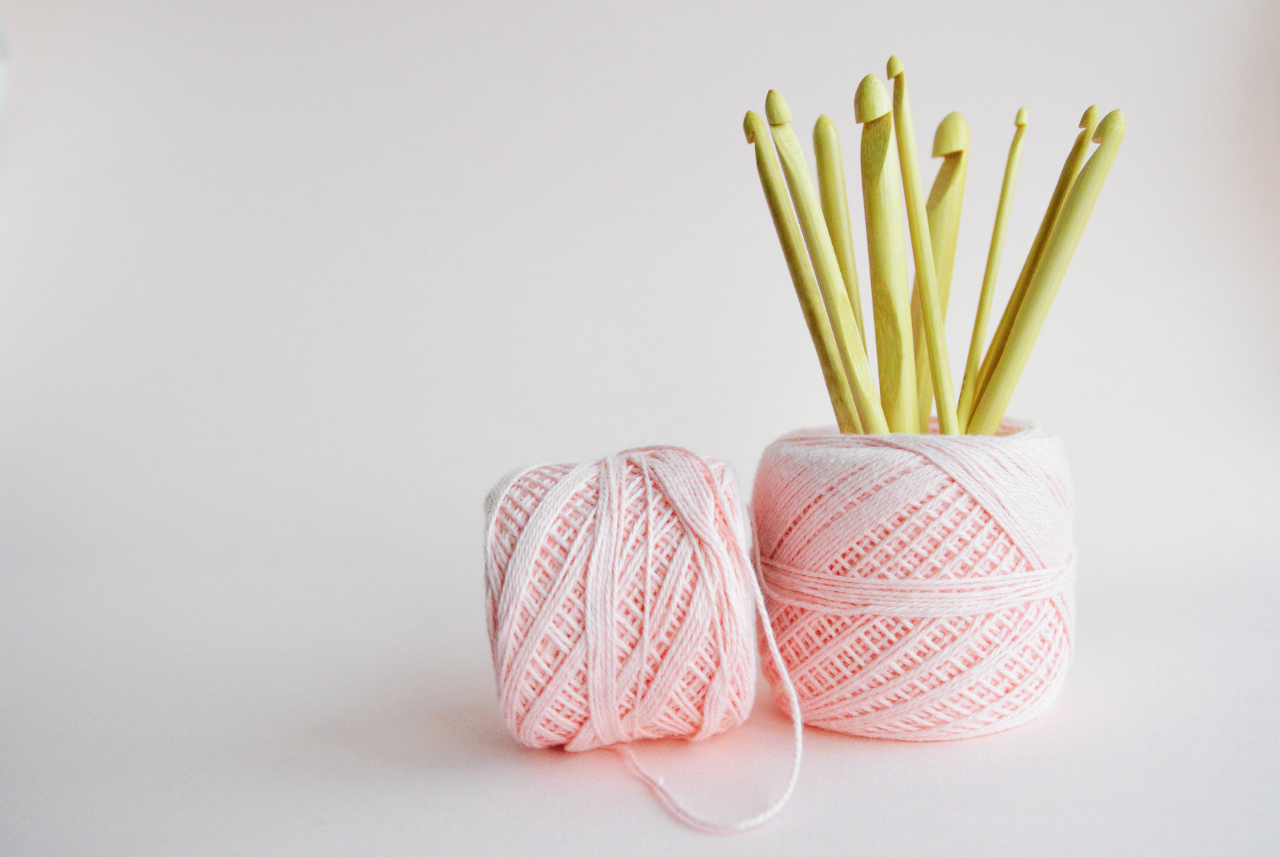
Have you ever opened a crochet pattern and felt lost looking at a page full of symbols and lines? That visual language is called a crochet diagram, and it can transform the way you work. Learning how to read a crochet diagram opens up a world of patterns, especially those from international designers or vintage books. Once you understand how to read crochet patterns in chart form, you will no longer struggle with language barriers or long written instructions.
Many crafters prefer diagrams because they show exactly where each stitch goes. Instead of reading “dc in next st, ch 1, sk 1,” you see a picture of that action. That is why how to read crochet charts is a skill worth building. In this guide, I will also cover how to read picture crochet patterns, reading crochet graphs, and even how to read crochet symbol patterns. By the end, you will feel confident following any visual pattern.
💡 Pro Tip: Crochet diagrams are universal. A symbol for double crochet looks the same in English, Japanese, or Russian patterns. That is why how to read a crochet diagram is so valuable.
Section 1: Common Abbreviations You Must Know Before Starting
Before we dive into symbols, let us talk about the abbreviations that appear alongside most diagrams. When you learn how to read crochet instructions, you will see short forms like “sc,” “dc,” and “tr.” But two very common abbreviations are crochet abbreviations sp and sps crochet abbreviation. Here is what they mean:
- sp = space (the gap between stitches)
- sps = spaces (multiple gaps)
In a diagram, a space might look like an empty arc or a small gap between symbols. Knowing crochet abbreviations sp helps you connect the written pattern to the chart. For example, if the pattern says “ch 1 sp,” the diagram will show a chain‑1 loop that creates a hole. And sps crochet abbreviation often appears in lace patterns: “work 2 dc in next 2 sps” means you put two double crochets into each of the next two spaces.
🧶 Remember: Written patterns and diagrams work together. When you learn how to read crochet directions, always check the abbreviation key first.
Section 2: What Does “sp” Mean in Crochet? Defining Chain Spaces
Now let us focus on that tiny word “sp.” What does sp mean in crochet? Simply put, “sp” stands for “space.” A space is not a stitch – it is the empty area between stitches, often created by a chain. What is sp in crochet in a diagram? You will see it as a small open circle or a curved line connecting two stitches.
For example, if you make a chain‑1 and skip a stitch, you create a 1‑chain space. In charts, that space might be labeled or just implied. Ch sp crochet meaning is “chain space” – a gap formed by one or more chain stitches. When you see “ch‑1 sp” in a pattern, the diagram will show a little loop or a dot representing that chain.
Understanding what does sp mean in crochet is the key to reading lace, mesh, and filet crochet diagrams. Without spaces, your work would be solid fabric. With spaces, you get beautiful holes and texture.
💡 Pro Tip: In a diagram, a chain space often looks like a tiny oval or a dash. Count them carefully – each chain space counts as a “place” to work into later.
Section 3: The Role of Chain Spaces in a Crochet Diagram
Chain spaces are the backbone of many stitch patterns. When you study how to read a crochet diagram, you will notice that crochet ch 1 sp appears constantly. A ch‑1 sp means you made one chain and skipped one stitch below. In the next row, you might work a double crochet into that same ch‑1 sp.
Ch sp crochet (chain space) can be larger too – ch‑2 sp, ch‑3 sp, or more. In a diagram, a ch‑2 sp looks like two little chain symbols (ovals) side by side, followed by a skip. These spaces create airy designs like shawls, doilies, and summer tops.
Let me give you a practical example. Imagine a diagram showing a row of double crochets. Between two double crochets, you see a small arch labeled “ch 1 sp.” That means you chain 1 and skip the stitch below. Then you double crochet into the next stitch. Crochet ch 1 sp is one of the most common elements in modern charts.
🧶 Why it matters: When you learn how to follow crochet patterns that use diagrams, chain spaces help you see where to insert your hook. Instead of guessing, you look for the space symbol.
Section 4: What Is “sk st crochet” and How Does It Relate to Diagrams?
Sometimes you skip a stitch on purpose. In written patterns, you will see “sk st” which means skip stitch. Sk st crochet is essential when you work with chain spaces. If you do not skip, you cannot create a space.
In a crochet diagram, a skipped stitch is usually represented by an empty spot. For example, after a chain symbol, you might see a blank gap followed by the next stitch symbol. That gap tells you to sk st crochet – do not work into that stitch below. Instead, you chain over it.
How to read crochet charts becomes much easier when you recognize skipped stitches. Look for a chain symbol that is not connected to a stitch below. That chain is floating over a skipped stitch. In many diagrams, the skipped stitch is drawn faintly or omitted entirely. Your job is to trust the chart: if there is no stitch symbol, you skip.
💡 Pro Tip: When you sk st crochet, your work will have a little hole. That hole is the chain space. Always count your skipped stitches to keep your stitch count correct.
Section 5: Mastering “ch 1 crochet” and Combining It with Diagrams
The simplest chain is just one loop – ch 1 crochet. In a diagram, a chain‑1 looks like a small oval. You will see it everywhere: at the start of rows, between stitches, and inside spaces.
When you learn how to read a crochet diagram, pay attention to where ch 1 crochet appears. Is it at the beginning of a row? That counts as a turning chain. Is it between two double crochets? Then it creates a decorative eyelet. Is it inside a corner? Then it helps you turn a shape.
One common pattern uses ch 1 crochet followed by a double crochet into the same stitch. That makes a V‑stitch. In a diagram, you see a chain symbol right next to a double crochet symbol, both coming from the same point. How to read crochet symbol patterns means recognizing those little groupings.
🧶 Example: A granny square diagram shows groups of three double crochets separated by ch 1 crochet or ch‑2 spaces. Once you see the repeating symbol pattern, you can crochet the whole square without reading a single word.
Section 6: Tutorial Reading Your First Crochet Diagram
Now let us put everything together. Follow this mini tutorial to practice how to read a crochet diagram. I will use a simple swatch that includes chain spaces, skipped stitches, and ch 1 crochet.
Step 1 – Find the start.
Most diagrams have a small arrow or a number indicating the first stitch. Look for “start here.” If you are learning how to read picture crochet patterns, the start is often marked with a star or a colored dot.
Step 2 – Read the foundation chain.
Your diagram will show a row of chain symbols (ovals) at the bottom. Count them. Each oval is one chain. This is your starting chain.
Step 3 – Identify the first real row.
Above the foundation chain, you see stitch symbols like T shapes (double crochet) or plus signs (single crochet). Notice where they insert into the chain. In a diagram, a line from a stitch down to a chain means you work into that chain.
Step 4 – Find the crochet ch 1 sp.
Look for a chain symbol that is not attached to a stitch below. That chain is floating. Next to it, you see a skip – no stitch below. That is your crochet ch 1 sp. You will chain 1 and skip the next stitch from the row below.
Step 5 – Work the sk st crochet.
When the diagram shows an empty space between two stitch symbols, you sk st crochet. Do not put your hook into the stitch below. Instead, move to the next symbol.
Step 6 – Repeat the pattern.
Most diagrams repeat a small section. Look for a vertical line or a bracket that says “repeat.” For example, you might see: double crochet, ch 1 crochet, skip 1, double crochet. That is a classic mesh pattern.
Step 7 – Finish the row.
At the end of the row, there is often a taller chain symbol for the turning chain. The diagram shows you exactly how many chains to make before turning your work.
Step 8 – Move to the next row.
Read the second row from right to left if you are right‑handed (or left to right for left‑handed). The diagram tells you where to insert your hook – into stitches or into crochet ch 1 sp spaces.
💡 Pro Tip: Keep a printed diagram next to you. Use a sticky note to cover the rows you have already done. This helps when you learn how to read crochet directions in chart form.
Section 7: Common Patterns and Projects That Use Crochet Diagrams
Now that you know how to read a crochet diagram, you can try these popular projects. All of them rely heavily on visual charts.
1. Granny Squares
These classic squares are almost always shown as diagrams. You will see groups of double crochets separated by ch 1 crochet or ch‑2 spaces. How to read crochet charts for granny squares is easy once you spot the repeating corner and side patterns.
2. Filet Crochet
Filet crochet uses open and closed mesh blocks. The diagram looks like a grid. Open blocks contain crochet ch 1 sp and a skipped stitch. Closed blocks are solid double crochets. Reading crochet graphs is essential for filet – each square on the graph equals one block.
3. Lace Shawls
Lace diagrams are full of chain spaces, picots, and decreases. When you learn how to read crochet symbol patterns for shawls, you will see many ch sp crochet elements. These create the airy, scalloped edges.
4. Amigurumi
Even toy makers use diagrams for rounds and increases. How to understand crochet patterns for amigurumi becomes simpler when you see the spiral of single crochet symbols and invisible decreases.
🧶 Try this: Search for “free crochet diagram doily” online. Print the chart and follow it using the steps above. You will be amazed at how quickly how to read a crochet diagram becomes second nature.
Section 8: Tips for Perfect Results When Reading Crochet Diagrams
Here are my best tips to help you avoid mistakes while learning how to read crochet patterns from diagrams.
Tip 1 – Always check the symbol key.
Different designers might use slightly different symbols. Look for a legend that explains each shape. This is especially important when you learn how to read picture crochet patterns that combine photos with diagrams.
Tip 2 – Count your stitches after every row.
Diagrams are visual, but they still have a stitch count. After finishing a row, count the symbols you worked. If the number matches the diagram, you are on track. This helps when how to follow crochet patterns that are complex.
Tip 3 – Use a highlighter or tracker.
Mark the row you are working on. You can use a highlighter on a printed chart or a digital tool. This prevents losing your place while reading crochet graphs.
Tip 4 – Practice with small diagrams first.
Do not start with a huge doily. Begin with a 4×4 inch swatch diagram. How to read crochet instructions from a small sample builds confidence faster.
Tip 5 – Remember that sk st crochet means “skip.”
When you see a gap, do not try to force a stitch into it. Skipping is intentional. It creates the space.
💡 Final pro tip: If a diagram confuses you, rewrite one repeat in words. Then compare your written version to the chart. This bridges how to read crochet symbol patterns with traditional instructions.
Section 9: Frequently Asked Questions
Q1: What is the first thing I should look for when learning how to read a crochet pattern chart?
A: Look for the starting point – usually marked with an arrow or a star. Then find the foundation chain row. From there, follow the symbols upward.
Q2: Can I use diagrams if I already know how to read crochet patterns in written form?
A: Absolutely. Diagrams often make complex lace or colorwork much clearer. Many experienced crocheters prefer charts because they show the fabric’s structure at a glance.
Q3: Why is how to read crochet charts easier for some people than written patterns?
A: Because charts are visual. You see exactly where each stitch goes. Written patterns require you to imagine the spacing. Charts remove that guesswork.
Q4: Do how to read picture crochet patterns differ from standard diagrams?
A: Picture crochet patterns use small icons or photos of actual stitches. Standard diagrams use abstract symbols. Both are valid, but symbols are more universal. Learning how to read crochet symbol patterns gives you access to thousands of international patterns.
Q5: I struggle with reading crochet graphs for colorwork. Any advice?
A: Treat each square on the graph as one stitch. Read the graph from bottom to top, right to left for right‑handers. Use bobbins for each color change.
Q6: Where can I practice how to read crochet instructions in diagram form?
A: Ravelry, Pinterest, and yarn brand websites offer free diagram patterns. Look for “chart” or “symbol crochet” in the search filters.
Q7: How do I know when to use sk st crochet in a diagram?
A: The diagram will show a chain symbol followed by an empty space. That empty space means you skip the stitch directly below the chain.
Conclusion
Learning how to read a crochet diagram is like learning a new language – but one that pays off for every project you make. You have discovered how to interpret crochet ch 1 sp, recognize sk st crochet, and understand what does sp mean in crochet. More importantly, you now have the skills to follow how to read crochet patterns from any country or designer.
Remember: how to read crochet charts takes practice. Start with small diagrams, use the tips from Section 8, and do not be afraid to make mistakes. Every time you work from a chart, you train your brain to see the fabric before you even pick up your hook.
Now I would love to hear from you. Have you tried reading crochet graphs before? Which part of how to read a crochet diagram feels most challenging? Leave a comment below, and if you found this guide helpful, share it with a crochet friend who is still afraid of symbols. Happy crocheting – and happy chart reading





Leave a comment