Understanding Amigurumi: The Art of Crochet Toys
Discover the charm of amigurumi, the art of crochet toys. Learn essential skills, explore patterns, and unleash creativity in this delightful craft.
 crochetpatter.comUpdated 24 May 20245 Mins read
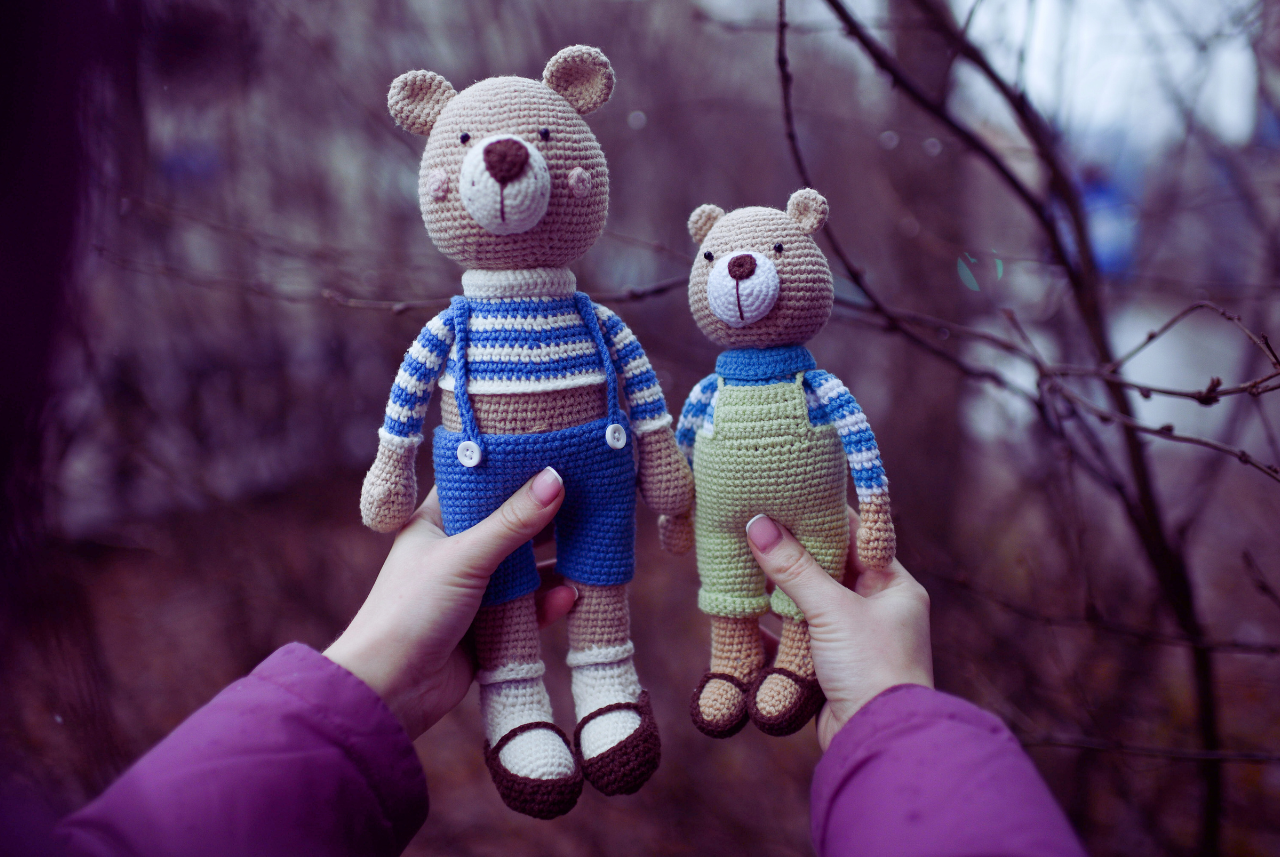

Amigurumi is a blend of two Japanese words: “ami,” meaning crocheted or knitted, and “nuigurumi,” meaning stuffed doll. This charming craft revolves around the creation of small, stuffed animals and anthropomorphic creatures using crochet techniques. The process is not only a testament to skill and patience but also a delightful exercise in creativity.
The style of amigurumi is characterized by its inherently cute appearance, often featuring oversized heads and small bodies, which make the creations irresistibly adorable. This unique aesthetic is a key part of its appeal, drawing in people who appreciate the whimsical and the charming. Although traditionally made using crochet, some crafters have expanded their repertoire to include knitted amigurumi pieces, showcasing the versatility of this craft.
The Origins of Amigurumi
Amigurumi has its roots in Japan, where it became popular in the 1980s. The craft is deeply intertwined with the Japanese culture of kawaii, which translates to “cute” in English. The kawaii aesthetic emphasizes elements of childlike innocence and playfulness, which are perfectly embodied by the delightful amigurumi creations. This cultural backdrop provides a rich tapestry of inspiration for amigurumi artists, allowing them to infuse their works with personality and charm.
Since its inception, amigurumi has transcended geographical boundaries, evolving into a global phenomenon. Enthusiasts from all corners of the world share their creations and patterns online, contributing to a vibrant community. This global exchange has spurred innovation and creativity, as crafters draw inspiration from each other and push the boundaries of what amigurumi can be. Today, amigurumi is embraced by people of all ages, offering a creative outlet and a sense of connection through the shared love of crafting.
Essential Skills for Amigurumi

Embarking on the journey of amigurumi requires a foundation in basic crochet skills. If you’re new to crochet, it’s beneficial to practice these techniques before diving into your first amigurumi project. Mastery of these skills will provide you with the confidence to tackle more complex designs as you progress.
Basic Crochet Stitches
To create amigurumi, you’ll need to be comfortable with these fundamental crochet stitches:
- Chain Stitch (ch): The foundation of most crochet projects, this simple stitch is used to create a chain of loops. It sets the stage for building your amigurumi piece, providing a base for subsequent stitches.
- Single Crochet (sc): The primary stitch used in amigurumi, single crochet creates a tight fabric that holds stuffing well. This stitch is crucial for forming the dense and durable structure needed for amigurumi toys.
- Slip Stitch (sl st): Often used to join rounds or finish off a piece, the slip stitch is a simple way to secure your work. It helps in achieving a neat finish and is essential for transitioning between different sections of your creation.
Increasing and Decreasing Stitches
Amigurumi patterns often require shaping, which involves increasing and decreasing stitches to create the desired form. These techniques are fundamental for giving your creations their distinct shapes and features.
- Increase (inc): To increase, work two single crochet stitches into the same stitch. This technique expands the piece, creating curves and shapes that bring your amigurumi characters to life.
- Decrease (dec): To decrease, crochet two stitches together. This reduces the stitch count and allows you to taper your work, forming limbs and other features with precision.
Tools and Materials for Amigurumi
Before embarking on your first amigurumi project, it’s essential to gather the right tools and materials. Having the correct supplies ensures a smoother crafting experience and enhances the quality of your finished product.
Yarn
The choice of yarn can greatly affect the appearance and texture of your amigurumi creations. Most patterns recommend using worsted weight or cotton yarn, as these provide a good balance of durability and softness. However, don’t hesitate to experiment with different textures and colors to achieve the desired look for your project. The variety in yarn choices allows you to customize your creations and add personal flair.
Crochet Hook
The size of your crochet hook will depend on the thickness of your yarn and the desired tightness of your stitches. For amigurumi, it’s usually best to use a hook that’s slightly smaller than recommended for your yarn, ensuring a tight weave that prevents stuffing from showing through. A snug fabric is crucial for maintaining the shape and structure of your amigurumi toys.
Stuffing
Polyester fiberfill is the most common stuffing material for amigurumi, providing a lightweight and hypoallergenic filling for your toys. It’s widely available and easy to work with, making it a popular choice among crafters. You can also use cotton or wool stuffing, depending on your preference for natural materials. The right stuffing choice contributes to the overall feel and durability of your amigurumi pieces.
Additional Tools
- Tapestry Needle: Used for sewing parts together and weaving in loose ends. This tool is essential for assembling your amigurumi and ensuring a seamless finish.
- Stitch Markers: Helpful for keeping track of rounds and stitch counts. These small but mighty tools are invaluable for maintaining accuracy and preventing mistakes.
- Scissors: Essential for cutting yarn and trimming loose ends. A good pair of scissors ensures clean cuts and a tidy appearance for your work.
Finding Amigurumi Patterns
There is an abundance of amigurumi patterns available online, catering to a wide range of skill levels. Whether you’re a beginner or an advanced crafter, you’ll find designs that inspire and challenge you. Websites, blogs, and online marketplaces are excellent sources for patterns, often available for free or at a low cost. These resources provide a wealth of ideas and opportunities to expand your amigurumi repertoire.
When selecting a pattern, consider your skill level and choose a design that challenges you without being overwhelming. Starting with simpler patterns can help build your confidence and improve your skills. As you gain experience, you can tackle more complex projects and even create your own original designs, adding your personal touch to the amigurumi community.
Tips for Successful Amigurumi Projects
To help you create delightful amigurumi toys, here are some tips to keep in mind:
Start Small
If you’re new to amigurumi, begin with a simple project that uses basic shapes and stitches. Starting small allows you to familiarize yourself with the process and build your confidence. As you become more comfortable, you can gradually take on more intricate designs and techniques.
Pay Attention to Tension
Maintaining consistent tension is crucial for creating smooth, even stitches. Practice controlling your tension to avoid loose or uneven sections in your work. Consistent tension ensures that your amigurumi pieces maintain their shape and look polished, enhancing the overall quality of your creations.
Use Stitch Markers
Stitch markers are invaluable for keeping track of your progress in circular patterns. They help you identify the beginning of each round and ensure that your stitch count remains accurate. By using stitch markers, you can prevent common mistakes and streamline your crafting process, leading to more satisfying results.
Assemble with Care
Take your time when assembling your amigurumi pieces. Use pins to hold parts in place before sewing them together, ensuring proper alignment and a polished finish. Careful assembly is the key to a professional-looking final product, and investing time in this step will enhance the durability and appearance of your creations.
The Joy of Amigurumi
Amigurumi offers endless possibilities for creativity and self-expression. Whether you’re crafting for yourself, gifting to loved ones, or selling your creations, amigurumi toys bring joy and charm to any setting. The process of transforming simple yarn into whimsical characters is both rewarding and fulfilling.
As you explore this delightful art form, you’ll discover the satisfaction of bringing your imaginative visions to life. Embrace the process, and let your creativity guide you as you embark on your amigurumi journey. The possibilities are limitless, and each creation is a testament to your skill and artistry.
In conclusion, understanding amigurumi is about appreciating the art of crochet toys, practicing essential skills, and enjoying the creative process. With the right tools, materials, and patterns, you’ll be well-equipped to bring your amigurumi visions to life. Happy crocheting!




Easy Free Crochet Chicken Pattern Tutorial
Create your own charming crochet companion with this easy, free crochet chicken...
 yassine team3 Mins read
Create Your Own Dinosaur Crochet Pattern
Craft your own dinosaur crochet pattern with ease! Discover tips and free...
yassine team5 Mins read



Leave a comment