How to follow a crochet pattern
Master the art of crocheting with our comprehensive crochet pattern guide. Learn to understand crochet patterns, diagrams, and instructions with ease.
 yassine teamUpdated 8 months Ago5 Mins read
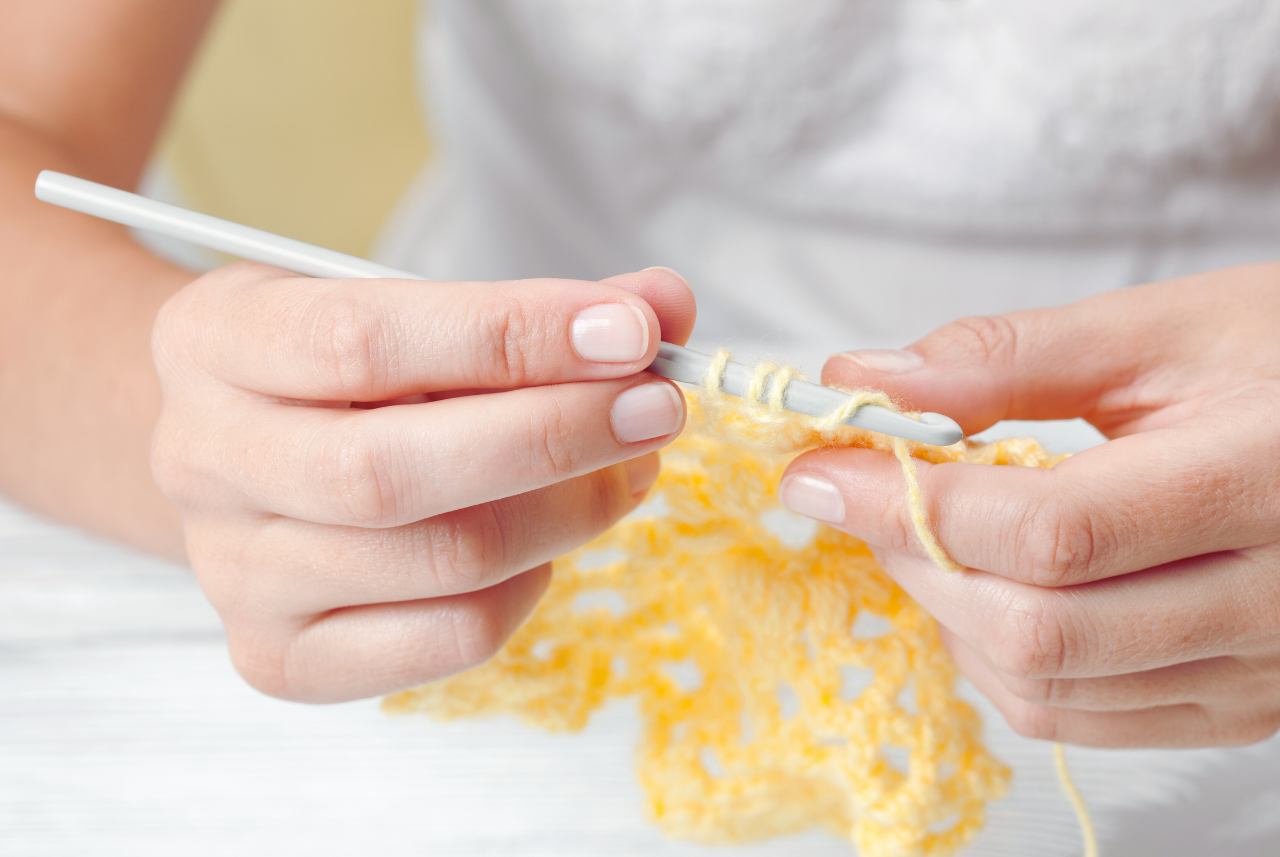
Crocheting is a beloved craft that allows for endless creativity and personalization. It offers a unique opportunity to transform simple yarn into intricate designs that reflect your personal style and creativity. However, understanding and following a crochet pattern can seem daunting, especially for beginners who may feel overwhelmed by the technical aspects. This guide aims to demystify the process and help you confidently tackle any crochet project, providing you with the skills needed to bring your creative visions to life.
A crochet pattern is like a recipe for your crochet project. It provides you with detailed instructions and all the necessary information to create a specific item, such as a scarf, a blanket, or even a complex garment. By understanding how to read and interpret these patterns, you can unlock a world of creative possibilities. Let’s break down the key elements of a crochet pattern to help you navigate through your projects with ease and confidence.
Crochet Pattern
- Title: The name of the pattern, often indicating the type of project, like “Granny Square Blanket.” The title not only gives you an idea of what the finished product will be but can also hint at the skill level required or the style of the piece.
- Materials: Lists the yarn type, hook size, and any additional materials required. It’s crucial to pay attention to this section to ensure that you have everything you need before starting your project. Different yarns and hook sizes can significantly affect the outcome of your crochet piece.
- Gauge: A measurement indicating how many stitches and rows fit within a certain area, usually a 4×4 inch square. This is crucial for ensuring your project turns out the right size. Checking your gauge can prevent frustration later, as it ensures that your finished piece will fit as intended.
- Instructions: Step-by-step directions that guide you through the process of creating the item. These instructions can vary in complexity, and it’s important to read through them entirely before beginning to crochet.
- Abbreviations: Shortened forms of common crochet terms used throughout the instructions. Learning these abbreviations is essential, as they help keep the pattern concise and easier to follow.

Crochet patterns use a specific set of abbreviations and symbols to convey instructions succinctly. This language can initially seem like a foreign code, but familiarizing yourself with these terms is key to successfully reading patterns. With time and practice, you’ll find that these abbreviations become a natural part of your crocheting process, allowing you to follow patterns more efficiently.
Common Crochet Abbreviations
- ch: chain
- sc: single crochet
- dc: double crochet
- sl st: slip stitch
- rep: repeat
- tog: together
These abbreviations might seem overwhelming initially, but with practice, they become second nature. As you work through more patterns, you’ll become more comfortable with these terms and their meanings, allowing you to focus on the creative aspect of your projects rather than the technical details.
Understanding Crochet Graph Patterns
Crochet graph patterns, or diagrams, provide a visual representation of the stitches you need to make. They can be particularly helpful for those who struggle with written instructions. These diagrams can offer a new perspective, allowing you to visualize the end result and understand the structure of your project more clearly.
How to Read a Crochet Diagram
- Symbols: Each stitch type is represented by a unique symbol. A key or legend will explain what each symbol means. Learning these symbols can greatly enhance your ability to interpret complex patterns.
- Rows: Diagrams typically show the stitches row by row or round by round, just as you would crochet them. This visual guide can help you stay on track and ensure that you’re working in the correct sequence.
- Direction: Patterns usually have arrows or numbers indicating the order in which to work the stitches. This guidance is crucial for maintaining the proper flow of your project and achieving the desired result.
How to Read Crochet Instructions Step by Step
Step 1: Gather Your Materials
Before you begin, ensure you have all the necessary materials listed in the pattern. This includes the correct yarn weight and hook size. Having everything prepared will save you time and prevent interruptions once you start crocheting. It’s also a good idea to have extra yarn on hand, just in case you need more than anticipated.
Step 2: Check the Gauge
Create a small swatch using the recommended yarn and hook to match the gauge specified in the pattern. This step ensures your finished project will be the correct size. By taking the time to check your gauge, you avoid potential problems with fit and size, which can be particularly important for wearable items.
Step 3: Understand the Pattern Structure
Read through the entire pattern before starting. Note any sections that seem confusing and highlight or mark them for further attention. Understanding the overall structure of the pattern will help you anticipate any challenges and prepare for them in advance.
Step 4: Follow the Pattern Instructions
Begin crocheting, following the instructions step by step. Pay close attention to any notes or special instructions that may alter the standard stitch pattern. These notes can include tips for tricky sections or suggestions for personalizing your project.
Step 5: Use Visual Aids if Needed
If you encounter difficulties, refer to the pattern’s diagrams or search for video tutorials online. Many crochet patterns have accompanying tutorials or videos to help guide you. These resources can provide additional clarity and support, especially if you’re a visual learner.
What Does a Crochet Pattern Look Like?
A written crochet pattern is often organized into sections, with each section corresponding to a part of the project. This structured format helps you navigate the pattern and keep track of your progress. Here’s an example of a simple crochet pattern:
Title: Easy Crochet Coaster
Materials:
- Worsted weight yarn
- Size H (5.0 mm) crochet hook
Gauge: 8 sc and 8 rows = 2 inches
Instructions:
- Ch 16.
- Row 1: Sc in second ch from hook and in each ch across. Turn. (15 sc)
- Row 2: Ch 1, sc in each sc across. Turn.
- Repeat Row 2 until the piece measures 5 inches.
- Fasten off and weave in ends.
This example illustrates how a pattern is broken down into manageable steps, making it easier to follow and understand the process from start to finish.
Tips for Beginners

Start Simple
Choose patterns designed for beginners. These often use basic stitches and have clear, straightforward instructions. Starting with simple projects allows you to build your skills gradually and gain confidence in your abilities. As you become more comfortable with the basics, you can explore more complex patterns and techniques.
Practice Regularly
Crocheting, like any skill, improves with practice. Work on small projects to build confidence and proficiency. Regular practice helps reinforce what you’ve learned and makes it easier to tackle new challenges. Consider setting aside dedicated time each week to focus on your crochet projects and track your progress over time.
Join a Crochet Community
Online forums and local crochet groups are excellent resources for learning and support. They offer a place to ask questions, share projects, and connect with fellow crocheters. Engaging with a community can provide motivation, inspiration, and valuable feedback on your work. It’s also an opportunity to make new friends and share your passion for crochet with others.
Final Thoughts
Reading and following a crochet pattern can be challenging at first, but with patience and practice, it becomes an enjoyable and rewarding experience. By understanding the language of crochet, familiarizing yourself with diagrams, and following instructions step by step, you will soon master the art of crocheting. Embrace the learning process, and don’t be afraid to make mistakes along the way they’re an essential part of developing your skills.
Armed with this knowledge, you are ready to explore the vast world of crochet patterns and create beautiful handmade items. Whether you’re crafting gifts for loved ones or making something special for yourself, the possibilities are endless. Happy crocheting!




Leave a comment