Understanding Crochet RS: Techniques and Tips
Master crochet RS techniques and terms with our guide. Discover what RS means in crochet and how to identify it, ensuring professional results.
 yassine teamUpdated 8 months Ago5 Mins read
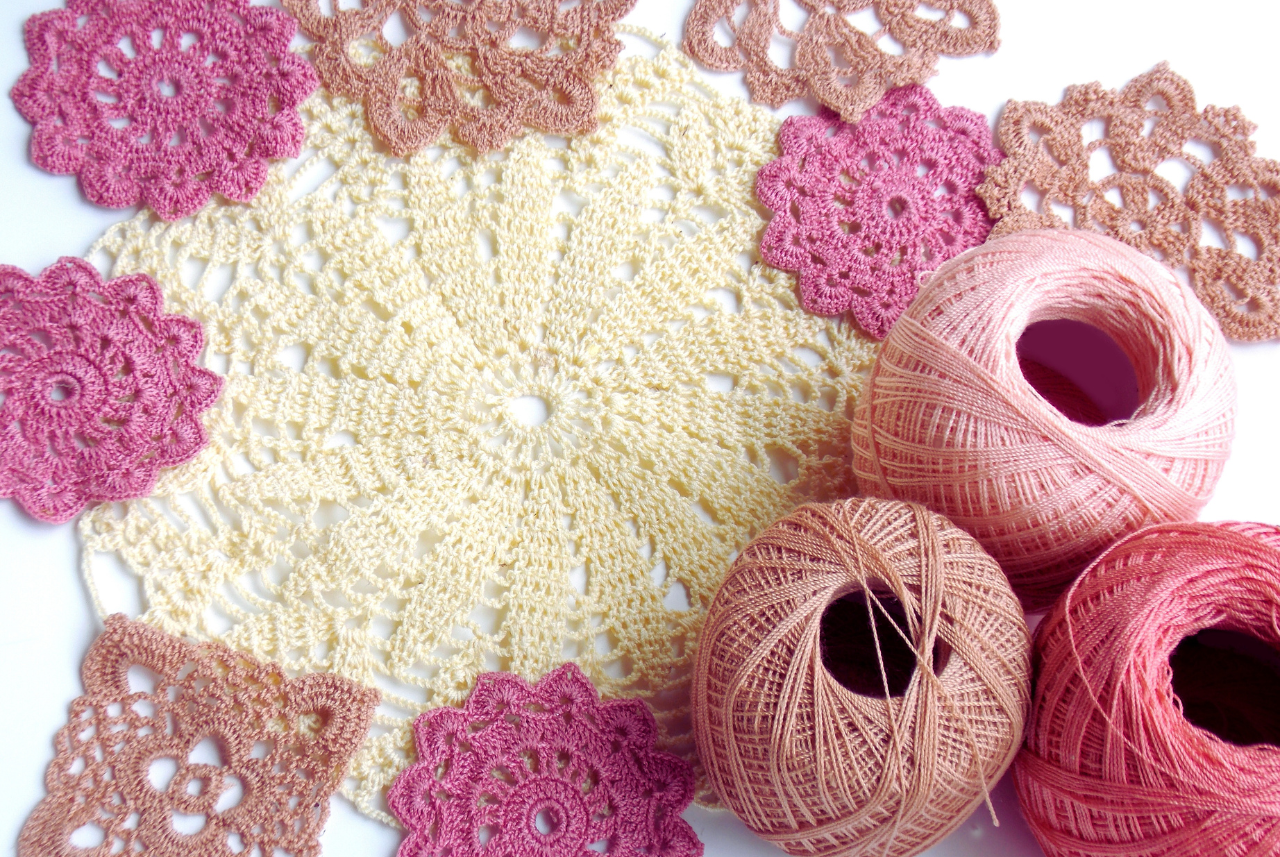
Crochet is a beloved craft, offering endless possibilities for creativity. Understanding crochet terms is key to mastering this art.
One important concept is “RS” or “Right Side.” This term is crucial for achieving the desired look in your projects.
Alongside RS, “WS” or “Wrong Side” plays a significant role. Knowing the difference between RS and WS can transform your crochet work.
These terms affect the texture and appearance of your finished piece. They guide you in following patterns accurately and achieving professional results.
In this guide, we’ll explore the meaning of RS and WS in crochet. You’ll learn techniques and tips to enhance your skills. Whether you’re a beginner or intermediate crocheter, understanding these terms will elevate your craft.
What Does RS Mean in Crochet?
In crochet terms, “RS” stands for “Right Side.” This is the surface meant to be seen when the project is complete.
The RS is usually smoother, showcasing the design and colorwork most effectively. It’s where the intended pattern comes to life.
Recognizing the RS is crucial, especially in patterns where appearance matters. It ensures your work looks as envisioned by the designer.
When discussing crochet, here’s what RS typically means:
- The side displaying the main design
- Usually smoother and visually appealing
- The side you show when finished

To identify the RS, examine the stitches. The RS often looks more uniform and neat. It’s typically the side facing you when beginning a new row or round. Being aware of the RS helps avoid mistakes and maintains the integrity of the pattern. With practice, spotting the RS becomes second nature, leading to beautiful, professional-looking crochet projects.
What Does WS Mean in Crochet?
In crochet, “WS” stands for “Wrong Side.” It’s the side typically intended not to be seen. The WS can show more structural details, such as knots and yarn tails.
It’s important to understand the role of WS in the overall look of your project. This knowledge can help in pattern execution and finishing tasks.
When examining crochet pieces, note these common WS characteristics:
- More textured or bumpy
- Shows structural components
- Usually hidden in the final display

Recognizing the WS is essential for accurate pattern following. Differentiating between RS and WS aids in stitch consistency. Therefore, it’s a foundational skill in crochet projects, impacting results significantly.
Why RS and WS Matter in Crochet Projects
Understanding RS and WS is crucial in achieving a polished, professional look in crochet projects. The visual and textural differences between these sides can impact the final result.
RS and WS play significant roles in patterns and textural features. Proper identification helps in creating symmetrical and uniform designs. If mistaken, the look and feel of crochet items might be compromised.
Key reasons why RS and WS matter:
- Determine proper side to display
- Ensure texture consistency
- Guide stitch pattern execution

Additionally, certain techniques like colorwork and tapestry crochet heavily depend on these concepts. Understanding RS and WS prevents errors, ensuring your crochet work looks as intended. Overall, these concepts elevate craftsmanship in all crochet projects.
How to Identify RS and WS in Crochet
Identifying RS and WS in crochet can be a bit tricky for beginners. However, with some practice and attention, it becomes second nature. Understanding these sides helps ensure projects look their best.
One of the easiest ways to spot the RS is by the clarity and neatness of the pattern. Typically, the RS displays the decorative aspects while the WS might show more structural elements such as yarn tails and knots.
Tips for identifying RS and WS include:
- Check the pattern guide for RS/WS instructions
- Observe the texture RS is smoother
- Use stitch markers to denote RS

The pattern’s direction and any written instructions are valuable for determining the sides. Following the guidance in crochet patterns aids in correctly identifying RS and WS. For practice, try working on small swatches, alternating stitches to see changes.
RS and WS in Crochet Patterns: Reading and Following Instructions
Understanding RS and WS is essential when interpreting crochet patterns. Patterns often include specific instructions about which side should be facing. This guidance is crucial for achieving the intended look and fit of the project.
When reading crochet patterns, you’ll often find abbreviations like “RS” for Right Side and “WS” for Wrong Side. These are commonly used to indicate which side of your work should be facing you during specific steps. Paying close attention to these details in patterns ensures you maintain the correct orientation throughout your project.
Key tips for reading and following instructions:
- Look for RS/WS notation in the pattern
- Align your work as the pattern specifies
- Use visual diagrams if available
Being mindful of these instructions helps prevent mistakes and allows for a smoother crocheting experience. It ensures your final piece turns out as intended, without misaligned textures or patterns.
Tips for Keeping Track of RS and WS
Keeping track of the Right Side (RS) and Wrong Side (WS) can sometimes be challenging, especially for beginners. Simple tools can make this easier. For instance, use stitch markers or safety pins to mark the RS of your work.
As you crochet, always note which side you start each row or round with. This habit can prevent unnecessary confusion as your project grows. It’s helpful to pause occasionally and check your work’s orientation.
Here are some practical tips:
- Attach a removable marker to the RS
- Note the starting side of each row
- Consistently check your progress

By implementing these tips, you’ll improve your workflow and maintain the intended appearance of your crochet projects.
Common Crochet Techniques Involving RS and WS
Understanding RS and WS is vital in several crochet techniques. These techniques often rely on the texture or appearance of the finished piece. Crocheters use RS and WS to craft visually distinct works.
For instance, tapestry crochet requires keen attention to RS and WS. This technique involves complex color patterns that appear different on each side. The RS showcases the design, while the WS might show yarn color changes.
Here are a few crochet techniques that involve RS and WS:
- Tapestry crochet
- Colorwork with multiple shades
- Reversible stitch patterns

Mastering these techniques can significantly enhance your crochet skills and the intricacy of your projects.
Frequently Asked Questions About RS and WS in Crochet
Crocheters often have questions about RS and WS. These terms can sometimes be confusing for beginners.
Here are some common questions:
- What does RS mean in crochet?
- How do you identify WS in crochet projects?
- Can a project have no RS or WS?
Understanding the answers to these questions helps in executing more polished projects. As you become more familiar with these concepts, confidence in your crochet work will grow.
Conclusion: Mastering RS and WS for Better Crochet Results
Mastering RS and WS in crochet enhances project precision and aesthetics. With practice, identifying these sides becomes second nature, leading to beautifully crafted items. Embrace these techniques to elevate your crochet skills and produce quality work.










Leave a comment